Why Material Accuracy Builds Trust in Furniture E-Commerce
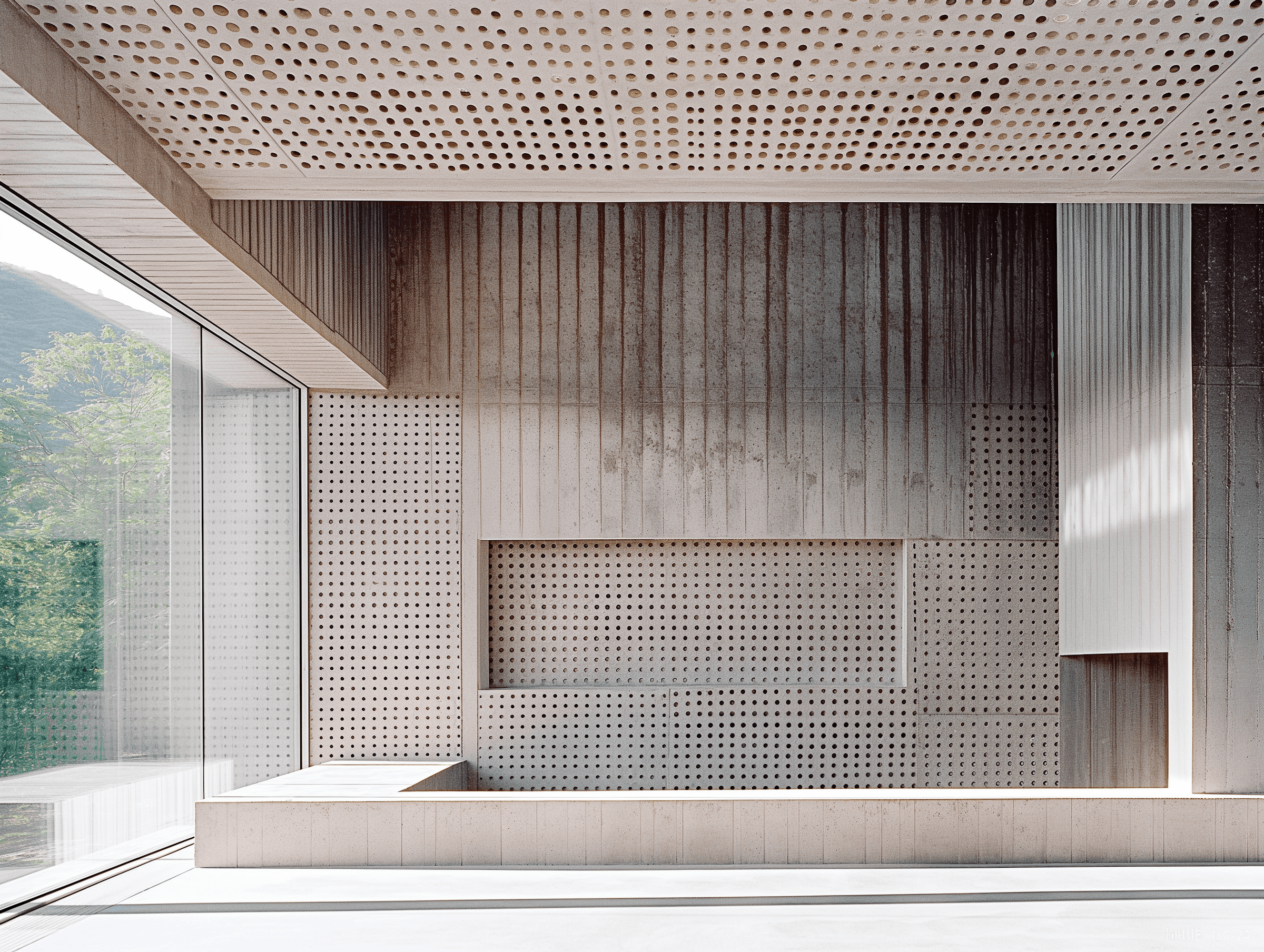
A furniture buyer sees your product online. The image shows a warm, mid-tone oak finish — tight grain, matte surface, natural variation. They order it. It arrives and the timber looks nothing like the image. Too yellow. Too shiny. The grain is wrong.
They return it. They leave a review. And they don't come back.
This is not a customer service problem. It is a visual accuracy problem — and it starts long before the product ships.
The Gap Between What You Show and What You Sell
For furniture manufacturers working at scale, material accuracy is one of the hardest problems to solve with traditional photography. Lighting conditions change. Camera sensors interpret colour differently. Fabrics photograph inconsistently depending on nap direction, ambient light, and compression settings.
A fabric that photographs perfectly under one set of conditions looks like a different product on a different shoot day. Multiply that across 80 SKUs and four colorways and you have an asset library that is technically complete but visually unreliable.
Your customers are making $2,000 purchase decisions based on those images. If the image does not accurately represent the product, the return rate tells you so — but only after the damage is done.
How 3D Solves the Material Problem
In a 3D pipeline, every material is defined digitally — its base colour, reflectivity, roughness, surface texture, and how it behaves under different lighting conditions. That definition does not change between renders. The oak finish that was approved in week one looks exactly the same in week twelve, on every SKU it's applied to, across every output format.
This matters particularly for:
Fabric and upholstery ranges — where weave structure, pile height, and colorway accuracy are critical to customer expectations. 3D material libraries allow every variant to be rendered with exact specification matching, before a single physical sample is produced.
Timber and veneer finishes — where grain direction, sheen level, and undertone vary significantly between photography sessions. A 3D material built from high-resolution surface scans gives you a ground truth that photography cannot replicate consistently.
Powder coat and lacquer finishes — where gloss level and colour accuracy are frequently the subject of customer disputes. Defining these digitally gives your team and your customers the same reference point.
Material Accuracy as a Brand Standard
The brands that have solved this problem are not using 3D because it is cheaper than photography — in some cases it is not, at least initially. They are using it because it gives them control.
When a material is defined in your 3D library, it becomes a brand standard. Every product that uses that finish renders with the same accuracy. Every market. Every format. Every season.
That consistency is what builds long-term trust with retail buyers, interior designers, and end customers. They learn that what they see in your catalogue is what they receive. That reputation compounds.
The Business Case
Returns in furniture e-commerce consistently cite product appearance as a primary reason. Not defects. Not damage in transit. Appearance — the product did not match the image.
For a brand doing $10M in online furniture sales, reducing appearance-related returns by even 15% is a meaningful number. The cost of building an accurate 3D material library — one that is reused across every SKU update for years — is a one-time investment with compounding returns.
If material accuracy is a recurring issue in your customer feedback or return data, speak with us about how we approach material recreation. We'll show you the process we use to match finishes to specification — before a single physical sample is required.
Continue Reading
Accuracy is not detail — it’s the difference between browsing and buying.